
Mar 2026
Parking Lots, Pews, and People
I was sitting in church listening to the paster preach a message and if I am being 100% honest, I was daydreaming with my mind on something else. In fact, to even be more transparent, I often find myself not even hearing what the…
I was sitting in church listening to the paster preach a message and if I am being 100% honest, I was daydreaming with my mind on something else. In fact, to even be more transparent, I often find myself not even hearing what the preacher is saying. When I go to church, I look forward to the connection with people before and after the service. After all, isn’t that what we are supposed to do?
Parking lots, pews and people.
In the west, we often correlate full parking lots, packed pews and more people to the growth of christianity and an expansion of our faith. What we have actually done is replaced the gospel with church growth models. Discipleship has gone by the wayside and been taken over by programs and pastoral worship. We have made it more important to serve the minister then serving the people.
For many years, I was deceived into thinking that if I just attended one more program or served in another helps ministry, that it would give me more brownie points for promotion. I could have never been more wrong. Instead of promotion, I became infatuated with trying to be the best servant that I could be. Don’t take that wrong. There is something said about being a servant and having a servants heart. However, what the scripture teaches is not the serving of leaders, but the service of the leaders to the people.
If you spend any time in church circles, you will see advertisements for “Leadership” conferences or “Leadership” seminars. Why? Because “Leadership” sells. No one wants to go to a seminar to learn how to be a better servant.
Jesus taught his disciples that if you want to be great in the kingdom, you must be a servant. When we go to church, we look to the pastor to lead. When we should be following their example to serve. In todays societal church, we see a model of the pastor behind the pulpit, preaching from a position of power. I find it hard to believe that this was the model that Jesus intended.
When I read the scriptures, I see Jesus among the people. Giving, loving, serving and discipling those who he came in contact with. When the tax collector was trying to catch a glimpse of the celebrity from his perch in the tree, Jesus told him to come down and eat a meal with him. When the pharisees wanted to throw stones at the woman caught in adultery, Jesus stepped in front of her and instructed them to throw stones if they were without sin.
How many church goers today have even met their pastor or even had a conversation longer than 5 minutes? How many pastors would even know the names of your family members if you said hello at the grocery store?
In America, we have sank to the level of seeking full parking lots, packed pews, and more people. Somewhere along the way, as a body of Christ, we have lost our way and replaced relationship with resources.
American church has evolved into organizational order rather than living life with those we care about. We have become so enamored by the sermon, that we forget about the sinner.
How did we get here?
Where did we get off track?
When Jesus walked the earth, he brought something that wasn’t so traditional. He introduced something called relationship.
For generations, Jewish tradition was to meet in the synagogue and let the priest make the sacrifice for us. When He came, Jesus became that sacrifice. He gave us the Holy Spirit as a teacher, and he gave us access to God without a mediator.
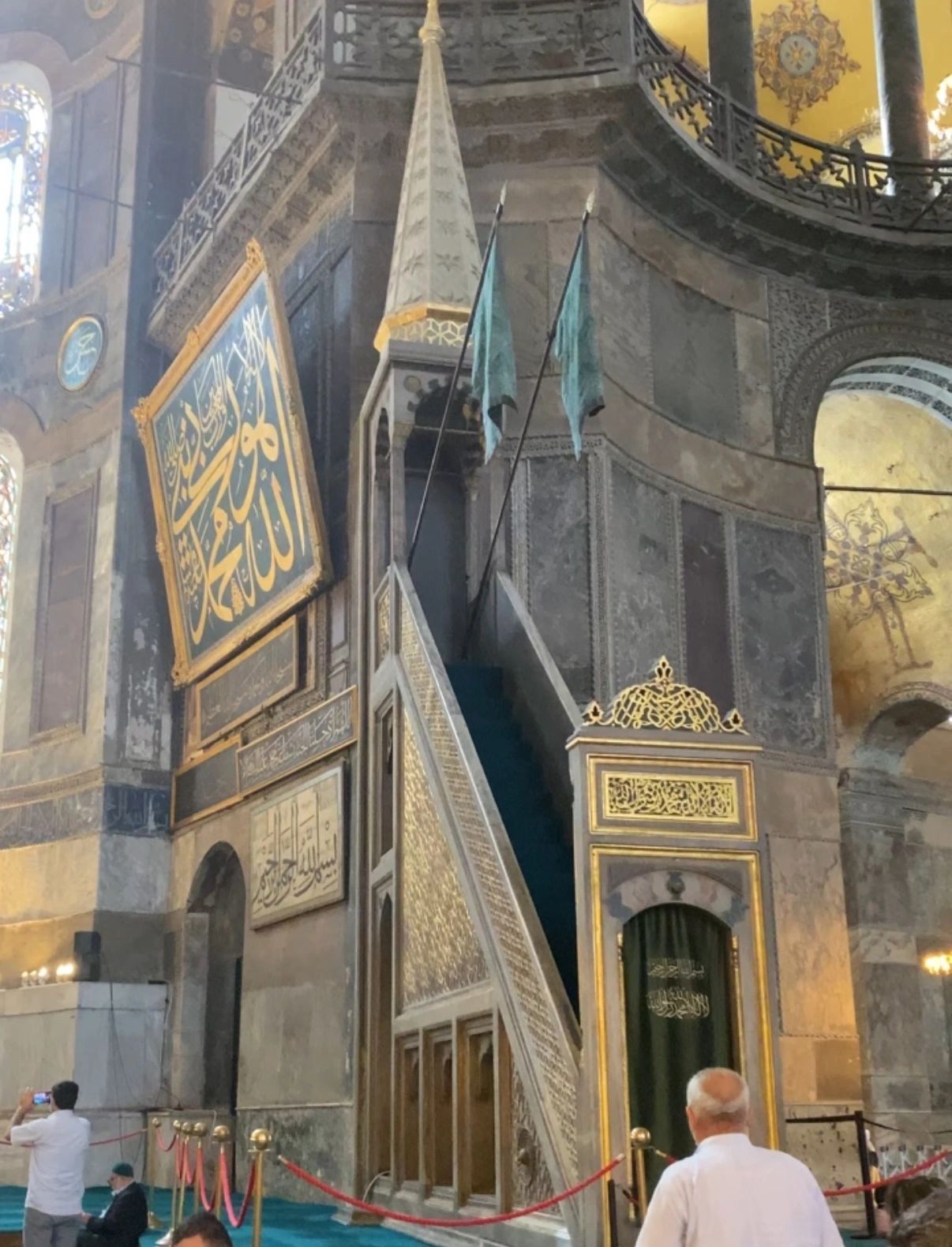
This tradition continued early in the 4th century when Constantine put a stop to home churches by building large, state-funded basilicas and establishing institutional hierarchical church buildings. If you visit Hagia Sophia in Istanbul, Turkey, you can see a picture of this. There is a grand entrance to the side where the pastor or leader would enter the room. There are golden sections cordoned off on the floor where the ministers were selected. How does this translate to modern day church? Pastor popular enters the sanctuary through the side door and the front row is reserved for their staff and esteemed guests.
Honestly, what has changed from the fourth century to today? We still look to the preacher to lead us. We look for the elders and the deacons to care for us and we lean on the rest of the church leadership to give us guidance on matters of life.
We have traded our sovereignty for slavery. Slavery to a system, and slavery to a CEO. The pastor, the parking lot and the pews.
What would happen if we shifted our focus from filling the seats to serving the people?
Lets face it, most preachers start off with a heart to serve the people. They find salvation, become hungry for God’s word and begin sharing it with others. Their enthusiasm leads to starting a bible study or a home group. It graduates to needing a building. With the building, comes the need for tithes and offerings. As the congregation grows, a need for a salary and a staff grows. With the growth comes a need for more resources to support the needs….and so on and so forth. Before long, what began as a hunger to share their newfound faith, the pastor is now the executive at the helm of an organization that requires more revenue. After all, if you’re not growing, you’re dying.
This never ending cycle continues to repeat itself in the christian circles of the west. Our buildings get bigger. Our staff grows, and our budgets increase. We believe we are doing good, but are we really growing the body of Christ?
Just recently, I was in church and I ran into someone who was a worship pastor for a church I used to attend. In the same city mind you. As we moved past the hello’s, I came to find out that he was just hired as the new worship pastor at my current church. What? Has the body of Christ become a LinkedIn profile? How did we go from raising up believers to head hunting for our leaders?
To someone reading this, you may think I am against church; against a building, or against order. On the contrary, I love the church, buildings serve a purpose and without order, chaos ensues.
What I am proposing, is an evaluation of how we are doing church.
What if we were to follow the model of a family? What if we were to follow the model of Jesus in the gospels of Matthew, Mark, Luke and John? What if we followed the model of the closed countries of the world like Iran and Afghanistan, where christianity is growing the fastest?
What if we met in homes, we discipled new believers and when they led someone to Christ, they become the new disciplers? The new pastor. The new leader.
Until the pastors of the west come to a revelation that Christianity has only declined, not because of outside influence or lack of activity from the congregation but because of a fundamentally flawed business model, I believe we won’t see real change. When was the last time we saw an organic outbreak happen like in the book of Acts where 5000 were added to the church in a day?
I heard a message one time where the preacher used the example from Psalm 133 of the oil flowing down from Aaron’s head to his body to illustrate that as it goes with the head, or the head of the church, the head of the organization, the CEO if you will, so it goes with the body. The congregation. The church members.
I believe that this analogy says a lot about the state of christianity in America.
Why doesn’t the body of Christ grow? Because the pastors and leaders want to hold on to what they have as if the christians in their congregations are their possessions.
You see, when you hold on to what you have tightly, with a closed fist, nothing can get out; but nothing can get in either. Many pastors won’t open their tightly closed fist because they don’t want to lose what they have built. The problem is that when they won’t let anyone out, no one can come in.
Church should be a revolving door. People should come in long enough to learn, then go out and teach someone else. After all, isn’t that one of the last things that Jesus instructed the disciples in Matthew 28:19 and 20? To go make disciples, teaching them to observe the things that he commanded them.
Church has become a place where we go to be entertained. We attend a service like we attend a movie. We drop our offering in a bucket just like we pay the attendant at the counter. We feel good because we paid our portion for the entertainment that we were provided.
In all honesty, I cannot remember the message from Sunday, but I do remember the people that I came in contact with. I remember the relationships that I cultivated throughout the week from the discussions I had before and after the service. I look forward to meaningful conversation and connecting with individuals who have a like mind and want to expand the kingdom.
We need to move past being concerned with filling the parking lots and packing the pews to being concerned with the souls of people.